Grand Muze
The five-pass method
You do not need to know every dynasty before you can look well. Start with what is physically present, then let the label and room add context.
Surface
Notice polish, grain, pigment, fracture and the marks of making.
Scale
Step back: what changes when the object enters the room around it?
Image
Read pose, gesture, costume and repeated visual signs.
Use
Ask who handled it, approached it or depended on it.
Display
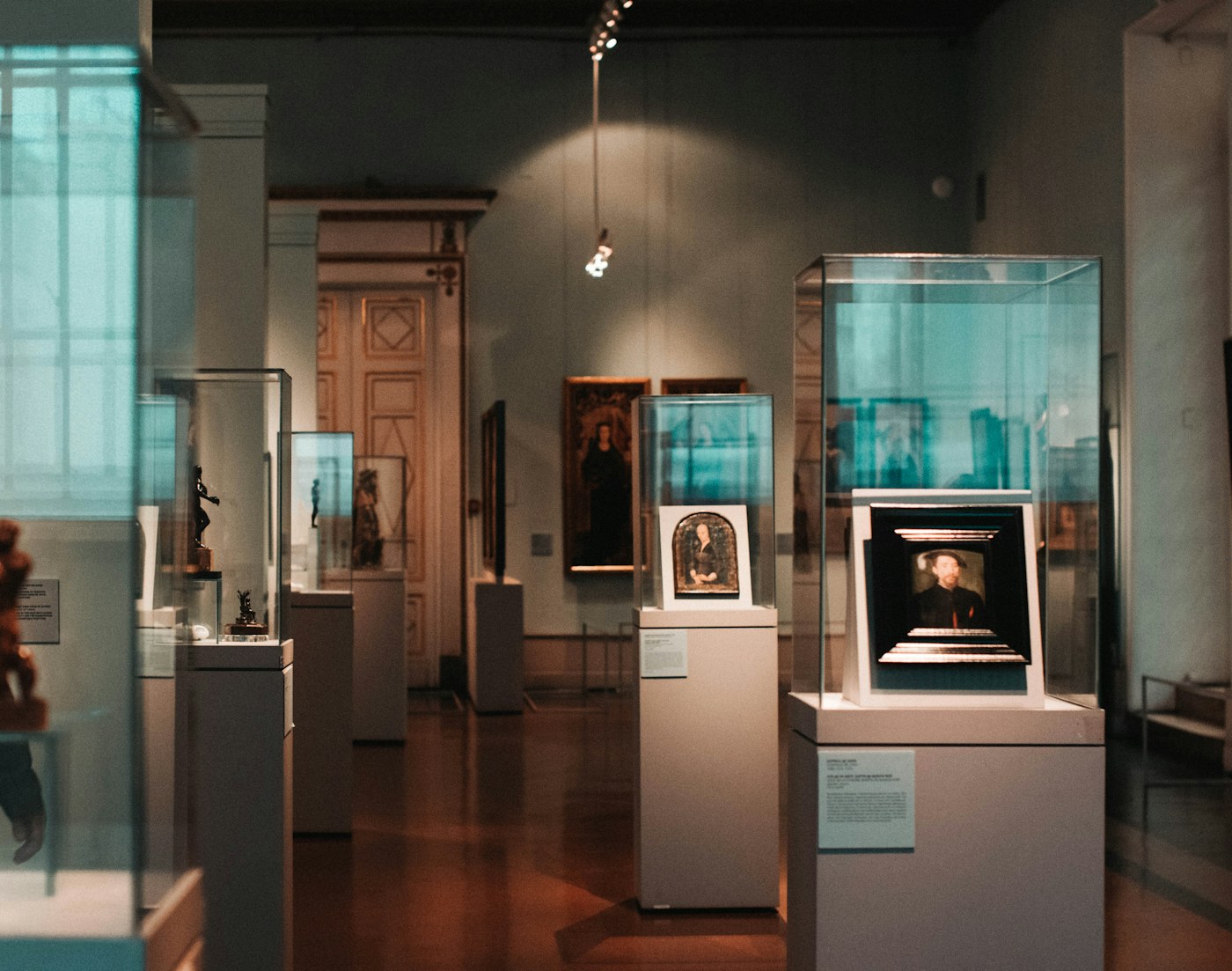
Notice how case height, light and distance shape the public reading.
Grand Muze
Material is not decoration
Stone, wood, faience, metal and pigment carry different histories of labour, care, repair and ritual. Compare how light rests on each surface before comparing dates.
- Pair period with material.
- Treat damage and restoration as evidence.
- Leave one detail unphotographed so memory has work to do.
Grand Muze
The label opens a second room
Read for identification, then read again for what remains unresolved: find spot, reuse, restoration or the history of display.
Grand Muze
Questions visitors ask
These are prompts for looking, not claims about a specific object’s current display.
Should I begin with chronology?
Chronology helps, but a material or scale question can be a more immediate way into a large collection.
How close should I stand?
Start at the distance that makes the whole object legible, then move closer to test what the surface reveals.
Why does the room matter?
Light, case height, distance and the movement of other visitors change what becomes easy to see.